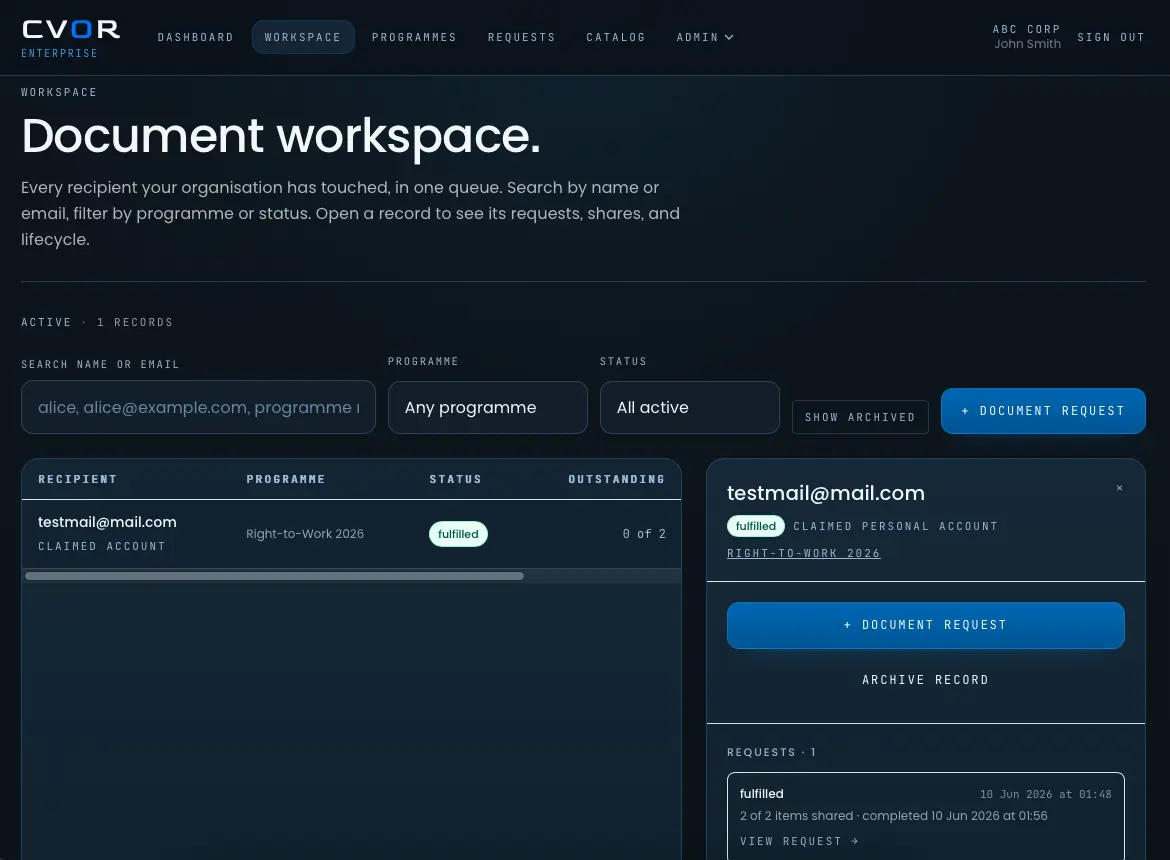
Document Custody vs File Sharing vs Document Management
File sharing moves files. Document management organizes records. Governed document custody controls sensitive exchange from request through retention and lifecycle.
Read more →KNOWLEDGE HUB
Practical guidance for teams that request, receive, retain, and audit sensitive documents. CVOR writes about secure document collection, custody, retention, access control, and the operational risks created by inbox-led workflows.
Core definitions and buyer-facing explanations for teams moving from file sharing toward governed document custody, secure collection, retention, and auditability.
File sharing moves files. Document management organizes records. Governed document custody controls sensitive exchange from request through retention and lifecycle.
Read more →
Participant document upload workflows need clear requests, secure receipt, access control, audit trails, and retention support.
Read more →
No passport collection process removes all GDPR risk, but governed request, access, audit, and retention controls reduce avoidable exposure.
Read more →
Client document intake needs matter context, secure submission, controlled access, auditability, and retention support.
Read more →
A secure document collection portal should govern the request, receipt, access, audit trail, retention, and lifecycle of sensitive records.
Read more →
Document custody controls how sensitive records are requested, received, accessed, audited, retained, and removed from operational workflows.
Read more →Practical explanations of the control layer around audit trails, retention, access governance, and lifecycle enforcement.

Receiving sensitive documents by email can make access control, auditability, retention, and breach response harder to govern.
Read more →
Email is a communication channel, not a custody system for sensitive document collection.
Read more →
A document collection audit trail should record the full workflow, from request and submission through access, review, retention, and lifecycle events.
Read more →
Retention enforcement works when documents are collected through governed workflows that connect purpose, access, audit trail, policy, and lifecycle state.
Read more →
WhatsApp is fast for conversation, but sensitive document operations need governed custody, audit trails, retention controls, and lifecycle management.
Read more →Practical guidance for the operational moments where sensitive records are requested, uploaded, reviewed, retained, or chased across email, WhatsApp, portals, and shared drives.

Client identity documents should be collected through a governed workflow, not scattered across inboxes, forwarded threads, shared drives, and local downloads.
Read more →
Right to Rent document collection should be handled as a governed workflow, not as an informal exchange of identity records across inboxes and messaging tools.
Read more →
HR onboarding document collection needs more than upload links. It needs governed requests, scoped access, audit trails, retention, and lifecycle visibility.
Read more →
Immigration lawyers need controlled document requests, secure submission paths, matter context, audit trails, and retention support for sensitive client evidence.
Read more →
Hotel passport collection before check-in should move through a governed workflow, not email attachments, WhatsApp threads, or front-desk photocopies.
Read more →
Secure tenant document collection gives landlords and letting agents a governed way to handle IDs, bank statements, proof of income, references, and tenancy records.
Read more →Individual-facing articles for people asked to send passports, IDs, tenancy records, bank statements, or other private documents to hotels, landlords, employers, and service providers.

Hotels may need identity details for operational, legal, or security reasons. The important question is how the copy is governed after collection.
Read more →
Hotel asking for a passport or ID copy before check-in? Learn how to reduce personal risk and how hotels can govern guest document collection.
Read more →
Need to send ID to a landlord or letting agent? Learn how to reduce personal risk and how property teams can govern tenant document collection.
Read more →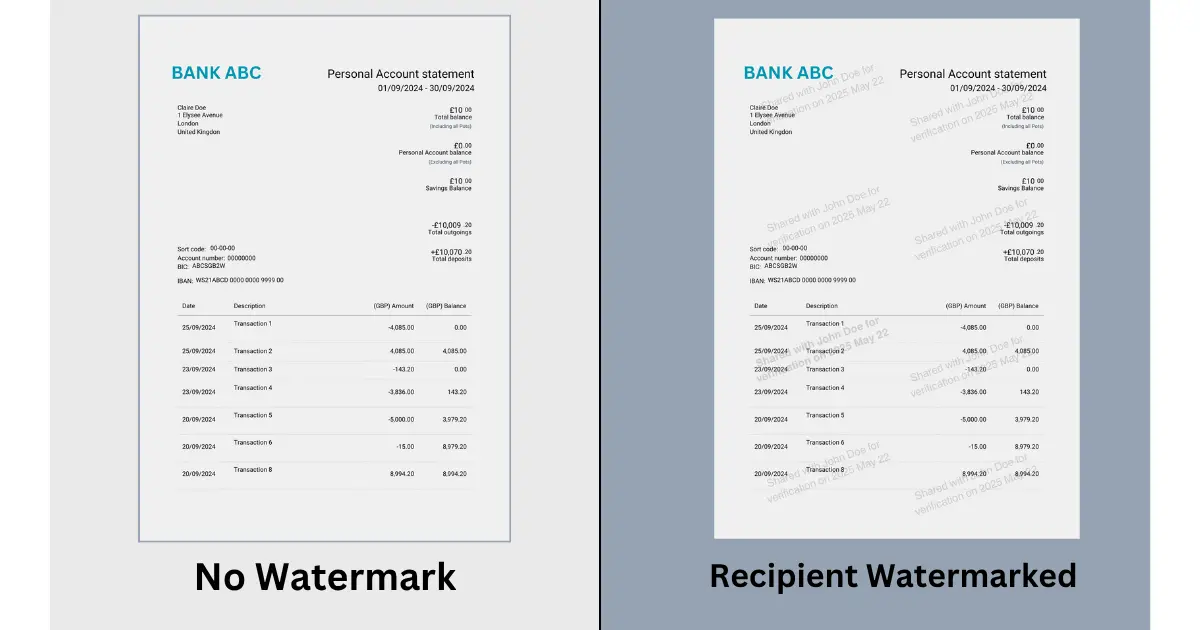
Bank statements contain financial and identity information. The right sharing process makes purpose, recipient, access, and retention clear.
Read more →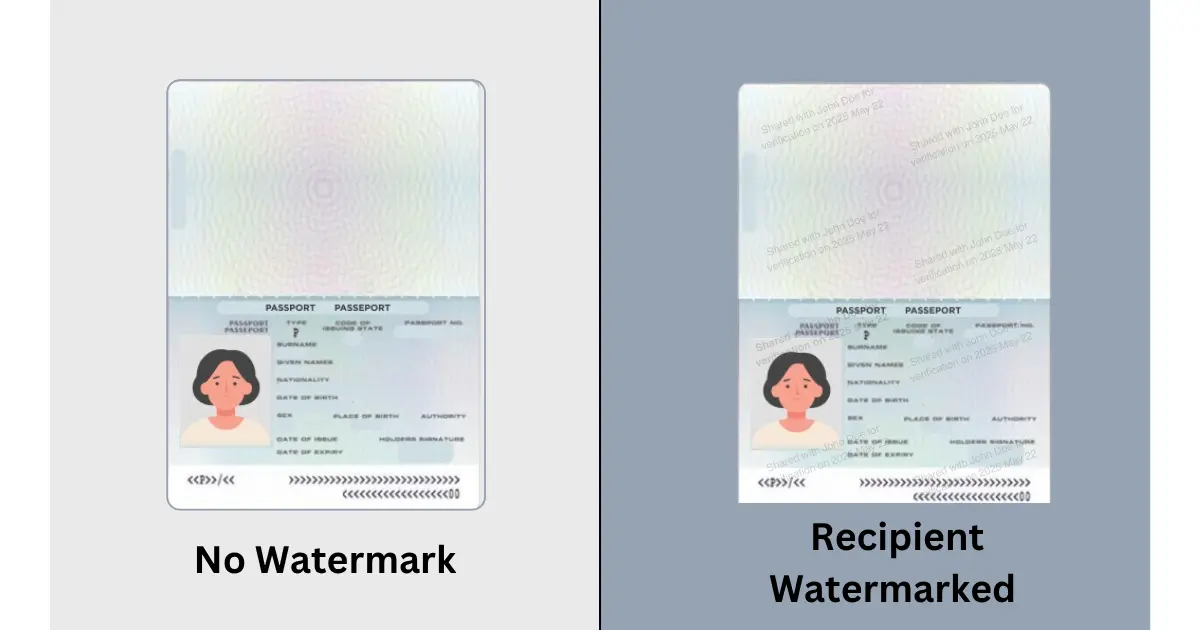
A practical guide to watermarking passport and ID copies before sharing them with a hotel, landlord, recruiter, or other recipient.
Read more →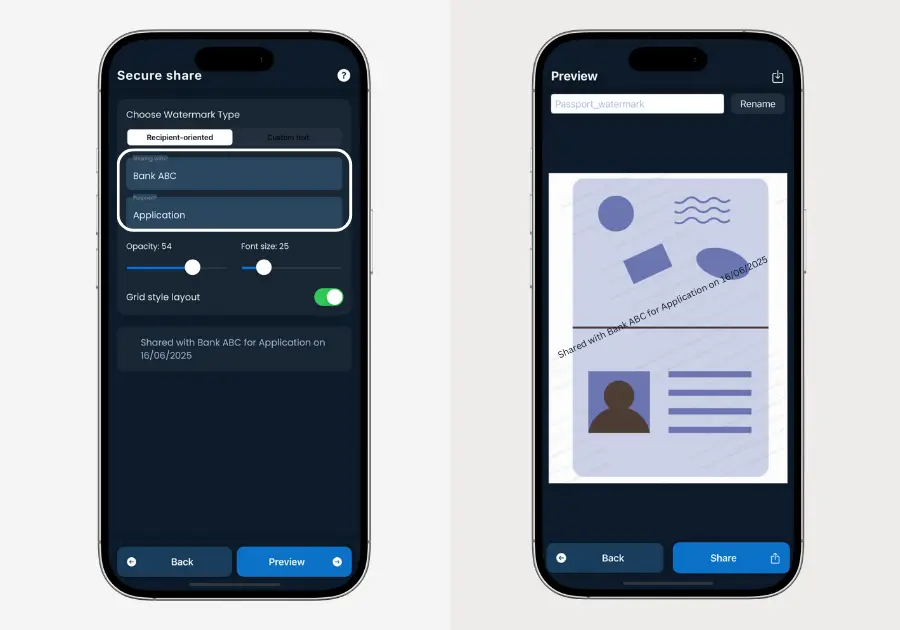
AI tools can now remove simple watermarks. Learn how to design watermarks that resist removal — and how CVOR automates the process for you.
Read more →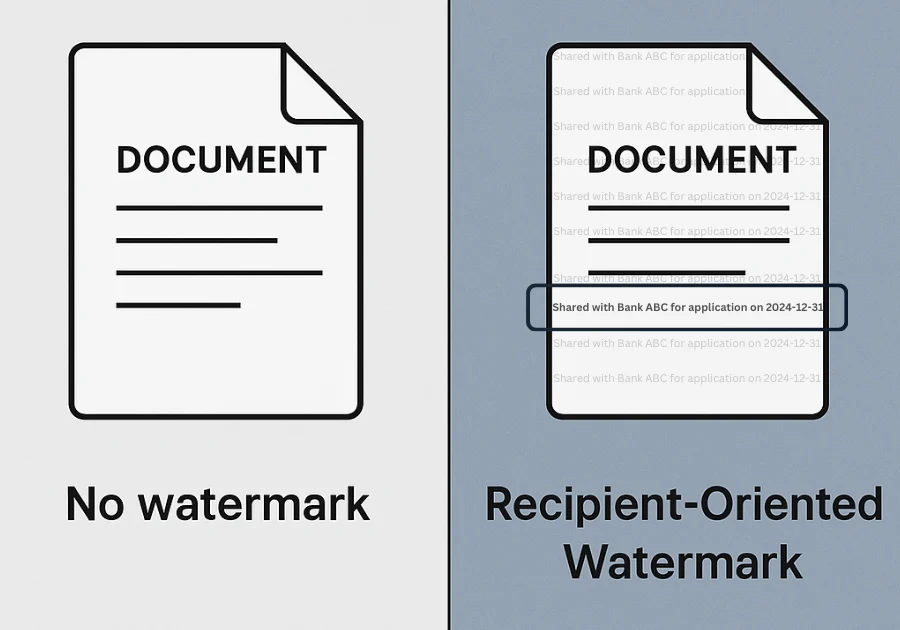
Worried about your PDFs or ID documents being leaked or misused after sharing? Learn how recipient-oriented watermarking ensures every shared copy is uniquely marked and traceable.
Read more →
Recipient-oriented watermarking doesn’t just label a file — it changes how people behave. Here’s the science behind why this simple approach makes leaks less likely.
Read more →
Black Friday 2025 brings AI-powered scams, fake websites, and rising ID theft. Learn how to protect your documents and stay safe while shopping online.
Read more →
When you share a document or image, traditional watermarking tools focus on visibility - not accountability. Compare different watermarking tools and why recipient watermarking is changing the standard.
Read more →
Learn what a watermark is, how it protects documents and images, and why recipient-oriented watermarks are the future of accountability.
Read more →
Sensitive documents are still shared through email, WhatsApp, and shared drives. Here is what individuals can do, and what organizations need to govern.
Read more →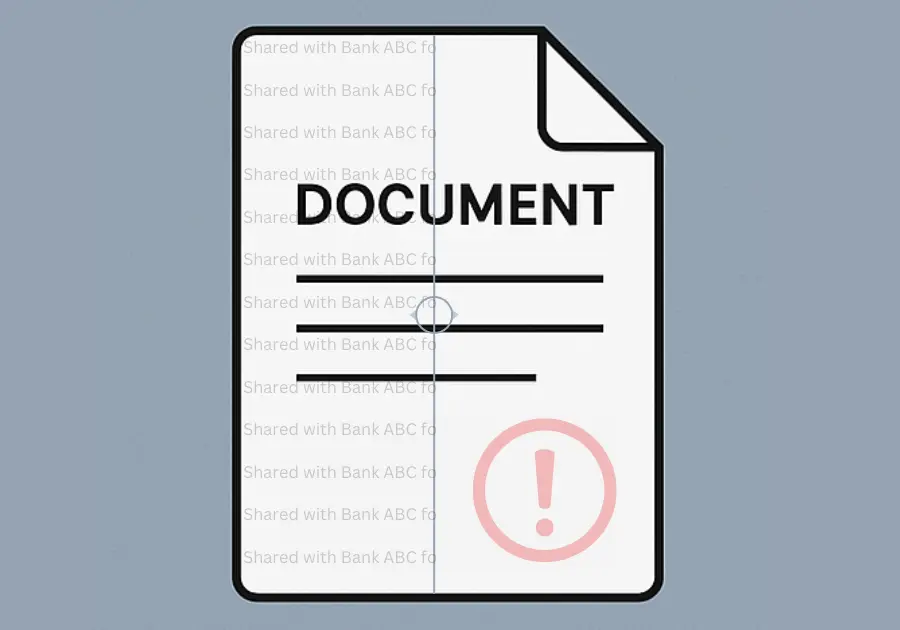
Watermark removers are popular, but removing a watermark—especially a recipient-oriented one - can expose you to legal, ethical, and security risks.
Read more →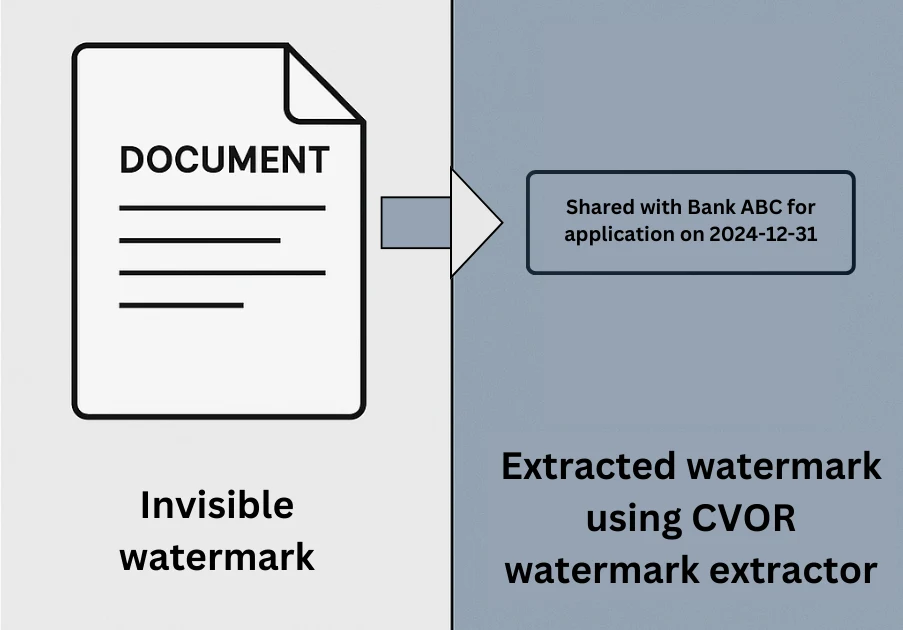
Discover how invisible watermarking in CVOR safeguards your files while keeping them visually unchanged.
Read more →